Introduction
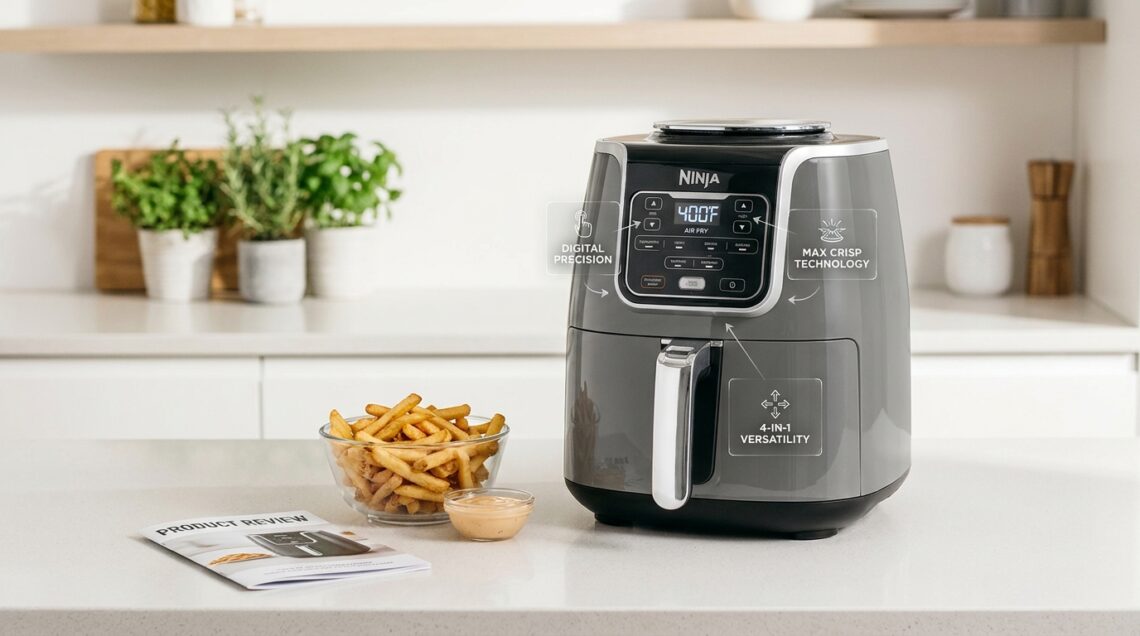
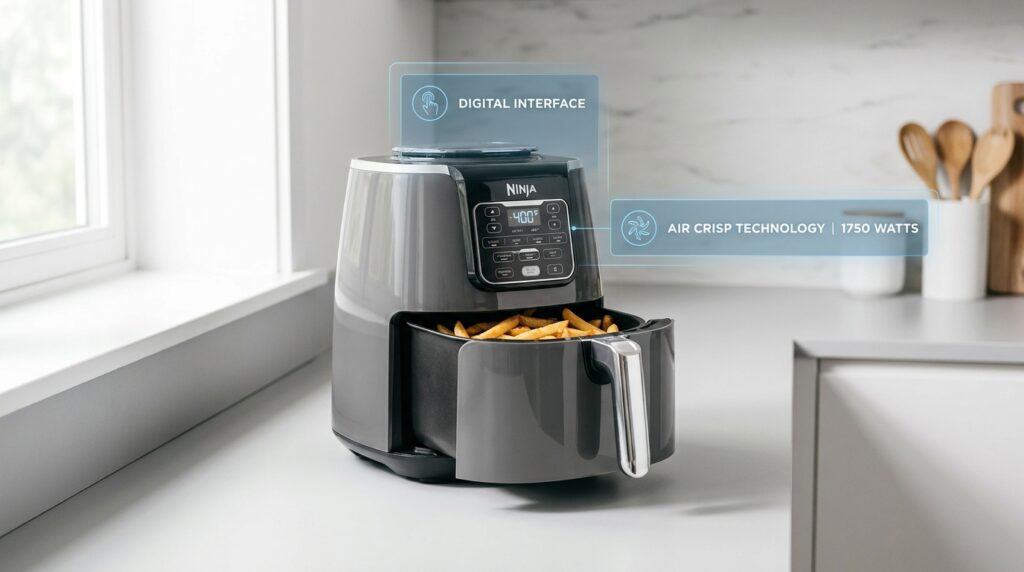
Kitchen countertops have become something of a battleground in recent years, with appliances competing for limited space and even more limited attention spans. Among the tools that have managed to earn a lasting spot in many households is the air fryer—a category that has moved from novelty status to near-essential kitchen equipment for a lot of home cooks. The Ninja Air Fryer with Air Crisp, model AF141, is one entry in this crowded field, offering a 5-quart capacity and a handful of cooking functions packed into a single unit.
This article walks through what this particular model offers, how it might fit into different kitchen routines, and what factors are worth thinking about before deciding whether it makes sense for your household. Rather than making sweeping claims, the goal here is to lay out the practical details so you can weigh them against your own cooking habits, space constraints, and priorities.
Air fryers work by circulating hot air rapidly around food, which creates a crisp exterior similar to deep frying but typically using significantly less oil. The Ninja AF141 applies this same fundamental principle while adding a few additional cooking modes, which we’ll get into below.
Key Features
5-Quart Capacity
The AF141 is built around a 5-quart basket, which Ninja states can accommodate up to four pounds of french fries in a single batch. For context, this capacity generally sits in the middle range for countertop air fryers—larger than compact 2-3 quart models designed for singles or couples, but smaller than the 8-10 quart XL and family-size units marketed toward bigger households. A 5-quart basket tends to work reasonably well for two to four servings, depending on what’s being cooked and how much you’re layering the food.
4-in-1 Functionality
Rather than being a single-purpose fryer, this model is designed to handle four different cooking functions:
- Air Fry – the primary function, using rapid air circulation to crisp food with minimal oil
- Roast – suited to vegetables, meats, and other foods that benefit from steady, even heat
- Reheat – designed to bring leftovers back to a texture closer to freshly cooked, rather than the sogginess that can come from microwaving
- Dehydrate – a lower-temperature, longer-duration setting intended for drying fruits, vegetables, or making jerky
Having these functions built into one unit is a common selling point across the air fryer category, as it reduces the need for separate dehydrators or toaster ovens for certain tasks.
Temperature Range and Wattage
The unit reaches a maximum temperature of 400°F, which aligns with most air fryers on the market and is generally sufficient for achieving a crisp texture on most foods. It’s powered by a 1750-watt heating element, which is on the higher end for countertop air fryers and generally correlates with faster preheating and cooking times, though actual performance can vary based on food type, quantity, and how the basket is loaded.
Nonstick Basket and Crisper Plate
The included basket and crisper plate feature a nonstick coating, which is intended to make food release easier and simplify cleanup. The crisper plate sits inside the basket and is perforated, allowing hot air to circulate underneath food as well as around it—this is part of what distinguishes air frying from simply baking in a covered pan. Both components are generally described as dishwasher-safe, though checking the specific care instructions included with your unit is always a good practice, as coatings and manufacturer recommendations can be sensitive to certain dishwasher detergents or heat settings.
Compact, Single-Unit Design
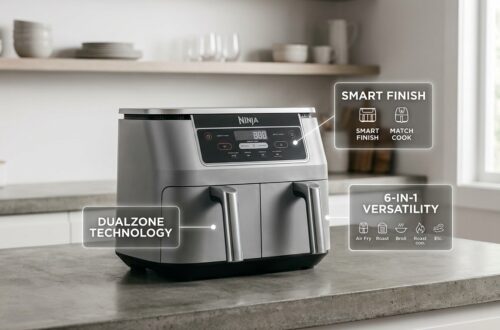
Unlike some multi-basket or dual-zone air fryers that have entered the market recently, the AF141 uses a single basket design. This tends to make for a more compact footprint on the counter, which may be a relevant consideration for smaller kitchens, but it also means you’re working with one cooking chamber rather than being able to run two different foods at two different settings simultaneously.
How It Can Be Used
An air fryer’s versatility often comes down to how creatively it’s used, and the AF141’s four functions open up a fairly wide range of possibilities beyond the classic frozen-fries-and-chicken-nuggets use case.
Everyday cooking. Vegetables like broccoli, Brussels sprouts, cauliflower, and asparagus tend to do well in air fryers, developing a roasted, slightly charred exterior without needing much oil. Proteins such as chicken thighs, salmon fillets, and pork chops can also be cooked using the air fry or roast settings, often in less time than a conventional oven would require, since the compact cooking chamber heats up faster and circulates air more directly around the food.
Reheating leftovers. One of the more practical, if less glamorous, uses of an air fryer is reviving leftovers. Pizza, fried foods, and roasted items that have gone soft in the fridge can often regain some of their original texture when run through the reheat function, which is generally considered an improvement over microwaving for foods where crispness matters.
Batch cooking and meal prep. With a 5-quart basket, there’s reasonable room to prepare portions for a few people at once, which can be useful for weekly meal prep. That said, air fryers generally work best when food isn’t overcrowded in the basket, since airflow is what creates the crisping effect—so batch cooking may sometimes mean running the appliance in two rounds rather than one.
Dehydrating. The dehydrate function opens up a different category of use entirely: drying apple slices, making kale chips, preparing dried herbs, or producing homemade jerky. This tends to be a slower process than the other functions and is generally more of an occasional-use feature than a daily one, but it does add versatility that a basic single-function air fryer wouldn’t offer.
Roasting small batches. For households that don’t want to heat up a full-size oven for a small dish—say, roasting a handful of potatoes or a small tray of vegetables—the roast setting can serve as a smaller-scale alternative, which may also translate to less overall energy use for small portions.
Who It May Be Suitable For
Because kitchen needs vary so much from one household to another, it’s worth thinking through a few different scenarios where this type of appliance tends to fit well—and a few where it might not be the ideal match.
Smaller households and couples. A 5-quart capacity is generally well-suited to cooking for one to three people on a regular basis, with occasional use for slightly larger gatherings.
People looking to reduce oil use in cooking. Air frying in general uses substantially less oil than deep frying, which may appeal to those trying to cut back on fat content in fried-style foods without giving up the format entirely.
Those who value counter space efficiency. Because this model combines four functions in a single, relatively compact unit, it may appeal to people who don’t want multiple specialized appliances (a separate dehydrator, a toaster oven, a rotisserie) taking up cabinet or counter space.
Home cooks who reheat leftovers often. If a significant portion of your cooking routine involves reheating takeout, delivery, or previous meals, the reheat function may offer a noticeable improvement in texture over microwave reheating.
It may be less ideal for: very large families or those who frequently cook large batches at once, since the single 5-quart basket may require multiple rounds. Similarly, people specifically wanting to cook two different foods at two different temperatures simultaneously might find more use in a dual-basket design, which has become increasingly common in the broader air fryer category.
Important Things to Consider
No kitchen appliance is a perfect fit for every situation, and it’s worth going in with realistic expectations.
Capacity limitations for larger groups. While four pounds of fries sounds like a substantial amount, that figure typically represents a maximum, loosely packed capacity. For proteins or bulkier foods, actual usable capacity may feel smaller, and overcrowding the basket can lead to uneven cooking or a less crisp result overall.
Learning curve for timing and temperature. Air fryers generally cook faster than conventional ovens, and recipes written for standard ovens often need to be adjusted in both time and temperature when adapted for air frying. This isn’t unique to this model, but it’s worth factoring into your expectations if you’re new to the category.
Counter and storage space. Even as a relatively compact single-basket unit, air fryers still take up a reasonable footprint, and the appliance needs adequate clearance around it for ventilation during use. If kitchen storage is tight, it’s worth measuring your intended spot before purchasing.
Cleaning routine. While the nonstick basket and crisper plate are designed for easier cleanup, greasy or heavily seasoned foods can still leave residue that requires attention after each use. Establishing a habit of cleaning the basket and plate promptly tends to make maintenance easier over the appliance’s lifespan.
Noise and operation. Like most air fryers, this unit uses a fan to circulate hot air, which produces an audible hum during operation. This is standard across the category and generally isn’t loud enough to be disruptive, but it’s a minor detail some first-time air fryer owners aren’t expecting.
Single-zone design trade-off. As mentioned earlier, this model doesn’t offer the dual-zone cooking that some newer air fryers on the market provide. For households that frequently want to cook two dishes with different time or temperature requirements at once, this is a relevant limitation to weigh against the more compact, simpler single-basket design.
Comparison of General Air Fryer Categories
To help put the AF141 in context, it can be useful to understand how air fryers are generally categorized, without focusing on any specific competing brand or model.
Compact air fryers (2-4 quarts). These tend to be the smallest and most affordable options, generally suited to singles or couples with limited counter space. They typically offer fewer functions and smaller capacity but are easier to store.
Mid-size air fryers (5-6 quarts). This is the category the AF141 falls into. These models generally balance capacity and footprint reasonably well, making them a common choice for small-to-medium households. Many models in this range, including this one, add multiple cooking functions beyond basic air frying.
Large and XL air fryers (7-10+ quarts). These are generally aimed at larger families or those who frequently cook bigger batches. They take up more counter and storage space but reduce the need for multiple cooking rounds.
Dual-zone or multi-basket air fryers. A newer category that has grown in popularity, these units allow two different foods to be cooked simultaneously at different settings, which can be a meaningful convenience for households juggling different dietary preferences or wanting to synchronize meal components. They tend to have a larger overall footprint than single-basket models of comparable per-basket capacity.
Where a model like the AF141 tends to stand out within this landscape is in offering multiple cooking functions (air fry, roast, reheat, dehydrate) within a relatively space-efficient, single-basket format—a middle ground between the most compact basic fryers and the larger, more feature-heavy multi-zone units.
Frequently Asked Questions
Does this air fryer require preheating? Many air fryer recipes suggest a brief preheating period, similar to a conventional oven, though some users skip this step for shorter cooking times. Checking the manufacturer’s instructions or recipe guidance for specific foods is generally the best approach.
How much oil is actually needed? Air frying is generally designed to use significantly less oil than deep frying—often just a light coating or spray on the food itself, rather than fully submerging it. Some foods, particularly those with natural fat content, may need little to no added oil at all.
Is the basket safe for dishwasher cleaning? The basket and crisper plate are generally described as dishwasher-safe, though following the specific care instructions provided with the unit is recommended to preserve the nonstick coating over time.
Can frozen foods be cooked directly without thawing? Air fryers are commonly used for cooking frozen foods like fries, nuggets, and other pre-packaged items directly from frozen, which is one of the more popular everyday uses for this type of appliance.
How does the dehydrate function differ from the air fry function? Dehydrating generally uses a lower temperature over a much longer time period, aimed at slowly removing moisture from food rather than crisping it quickly. This makes it suited to different tasks, like drying fruit slices or making jerky, rather than everyday meal cooking.
What is the difference between air frying and roasting on this unit? While both use similar hot-air circulation technology, the roast setting is generally calibrated for foods that benefit from a steadier, slightly different heat profile than the more aggressive crisping approach of the air fry setting—think whole cuts of meat or larger vegetable pieces versus smaller, breaded items.
Does it take up a lot of storage space when not in use? As a single-basket, 5-quart unit, it’s generally more compact than XL or dual-zone models, though it will still require a dedicated spot on the counter or in a cabinet, given its overall dimensions and the need for ventilation during use.
Conclusion
The Ninja Air Fryer with Air Crisp (AF141) represents a fairly typical mid-size entry in the air fryer category, combining a 5-quart capacity with four distinct cooking functions in a single, relatively compact unit. Its strengths generally lie in versatility—being able to air fry, roast, reheat, and dehydrate without needing separate appliances for each task—while its main trade-offs come down to single-basket capacity limits for larger households and the absence of dual-zone cooking found in some newer models.
Whether this particular model fits your kitchen ultimately depends on factors like household size, how often you batch cook, how much counter space you have available, and whether features like dehydrating are something you’d realistically use on a regular basis. As with most kitchen appliances, matching the specifications to your actual cooking habits tends to matter more than any single standout feature.